Hatchery FAQ's
What is a lobster hatchery?
A lobster hatchery is a facility where lobster eggs, larvae, or juvenile lobsters are raised under controlled conditions. Hatcheries may be used for research, education, conservation, or stock enhancement efforts.
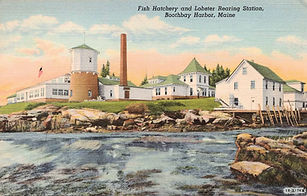
Why were lobster
hatcheries created?
Lobster hatcheries emerged in the late 1800s in response to concerns about declining lobster populations. Early hatchery programs aimed to improve survival during the lobster's vulnerable larval stages and increase the number of young lobsters entering the wild.

Do lobster hatcheries
increase lobster
populations?
Hatcheries can successfully produce and release lobsters, but demonstrating measurable benefits to large-scale fisheries has proven difficult. More than a century of research suggests that hatcheries alone are unlikely to rebuild or sustain a fishery without broader conservation and management measures.

Why are lobster hatcheries important today?
Modern hatcheries play an important role in scientific research and education. They help researchers study lobster growth, behavior, disease, genetics, nutrition, and the impacts of environmental change, while also providing opportunities for public outreach and student learning.

What role might
hatcheries play
in the future?
Hatcheries remain a valuable tool for research, innovation, and conservation partnerships. While they are not considered a simple solution to fishery declines, they can contribute important knowledge that helps scientists, fishermen, and managers better understand and protect lobster populations.